
Your Leading Tennis Turf Manufacturer in China
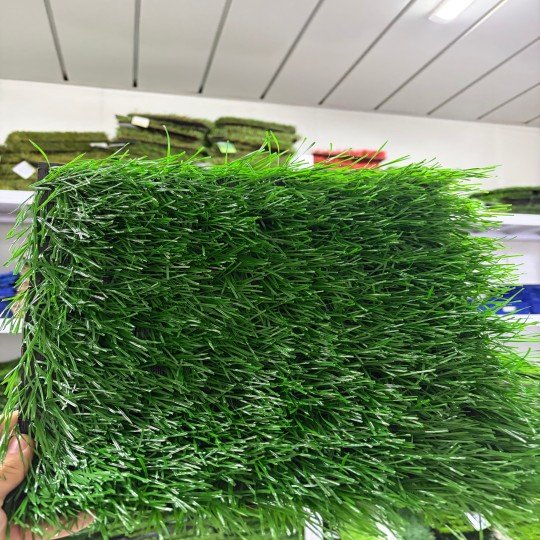
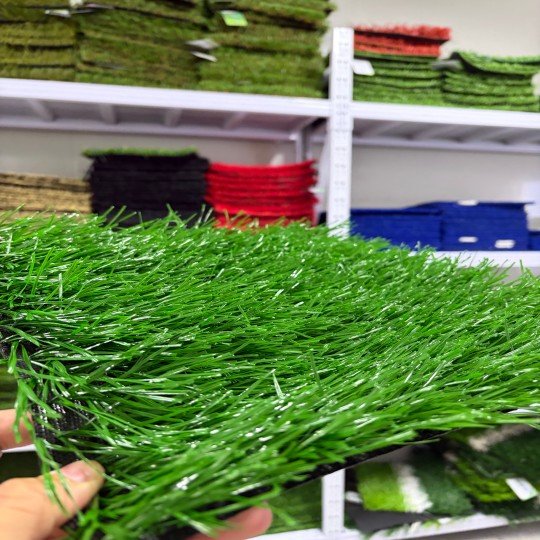
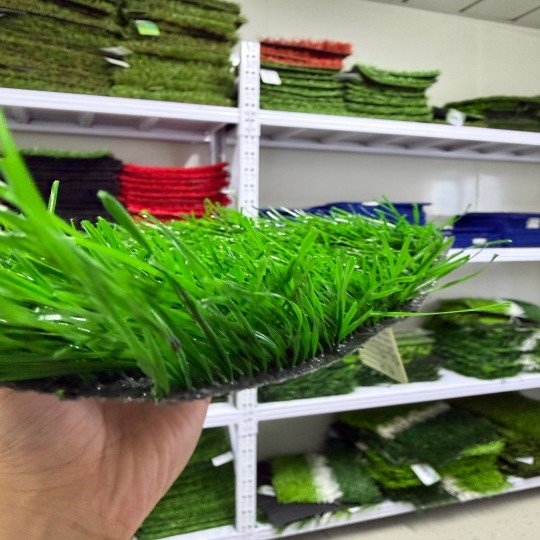
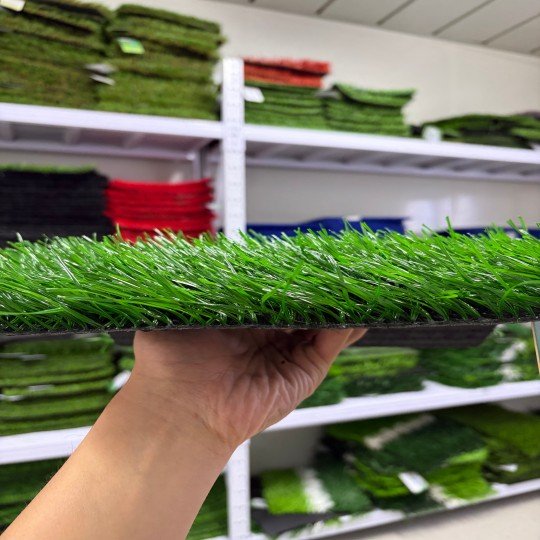
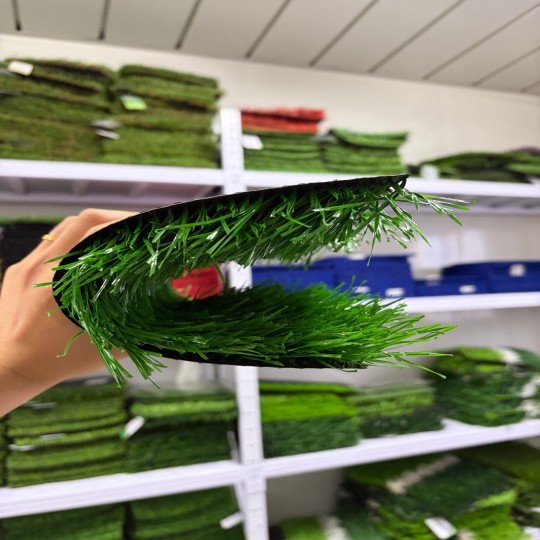
Name : High Quality Tennis Artificial Grass
Pile Height : 40-50mm (customizable)
Stitch Rate : 16-20 tufts/10cm (ultra-dense)
Pile Weight: 7000-10000Dtex(Heavy-duty)
Yarn Shape: M-shaped-soft&springy
Color: 1 color
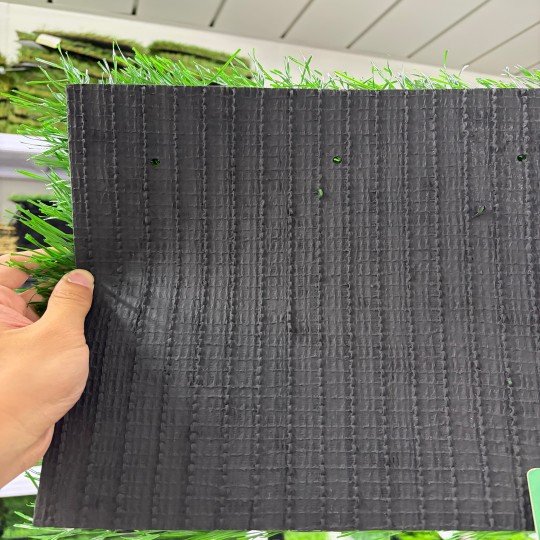
Backing : Double-layer black SBR glue
What is Sunithgrass Tennis Turf ?
What Makes Tennis Turf Different
Tennis places specific demands on a surface. Ball bounce must be true. Grip must be consistent for quick stops and direction changes. And the court must stay playable after rain.
Our tennis turf is engineered for these conditions. Uniform pile density gives steady ball response. A smooth but textured surface provides reliable grip without slowing the game. UV-stabilized fibers resist fading, and the strong backing holds up under years of play.
Factory Direct, Built for Wholesalers
We produce our own yarn and control quality from extrusion to finished rolls. For wholesalers, this means consistent spec across containers and competitive factory-direct pricing. For contractors, it means a surface that installs clean and performs predictably.
Ask us for tennis turf samples and spec sheets for your next project.
Why Choose Sunithgrass Tennis Artificial Grass
Tennis places specific demands on a court surface—consistent ball bounce, predictable speed, and durability under constant play. Our tennis artificial grass is engineered for clubs, schools, and wholesalers who need performance that lasts.

Our tennis artificial grass uses a 10-15mm pile height and high-density construction. The result is a stable, low-bounce surface that delivers consistent ball speed and predictable play—closer to a professional court than a backyard lawn.

Tennis courts see constant stopping, starting, and sliding. Our tennis court turf uses a dense stitch count, up to 66,000 tufts per square meter, to withstand heavy use without flattening. High density means less wear, fewer bare spots, and a court that holds up longer under regular play.

Our tennis artificial grass is designed for silica sand infill. This locks the fibers upright, adds stability, and allows players to control ball speed. More sand slows the game down; less sand speeds it up. For court owners, this means adjustable pace to suit different playing styles and skill levels.

Sun exposure fades cheap turf fast. Our UV-stabilized fibers resist fading and degradation, even in high-sun regions. For wholesalers, this means fewer complaints about discolored courts and longer product life.

Weak backing is a common problem on high-use courts. Our tennis artificial grass uses double-layer PU backing that locks every fiber in place. No shedding, no bare patches from slides and sprints. For facility owners, this means fewer repairs and a court that stays playable.

Our British Cobble tufting machines run tight tolerances on pile height and density. The tennis court turf you approve in the sample is exactly what arrives in the container. You get what you approved, with no variation.

Tennis courts don’t have to be green. We offer tennis artificial grass in blue, red, green, and custom colors. Blue reduces sun glare for outdoor courts. Red creates a distinctive look. For clubs and schools, this means courts that match branding and stand out from the competition.

Need a specific pile height, density, or color for a project? We support full OEM customization on tennis turf. Samples ready in 3 days. Production in 15-20 working days. For wholesalers, this means you can meet any project spec while keeping quality consistent.
Tennis Artificial Grass – Built for Growing Demand
Market Growth at a Glance
The numbers tell a clear story. Australia leads the way, with synthetic grass now covering 95% of tennis courts in some areas. Europe is close behind, with Germany, the UK, and France driving steady demand. The global sports turf market is projected to grow from $5.82 billion in 2025 to $10.1 billion by 2035, and tennis court surfacing alone is expected to reach $266 million by 2032.
Why Wholesalers Are Paying Attention
For wholesalers and contractors, this means consistent demand. Clubs are resurfacing. Schools are building new courts. Resorts are choosing low-maintenance surfaces that stay playable year-round.
How We Keep Upgrading
We have been manufacturing tennis artificial grass for years and have shipped to multiple markets. As the sport grows, we keep upgrading our tennis turf, improving fiber durability, refining pile density for consistent bounce, and strengthening backing to handle high-traffic play. For wholesalers, this means a product that matches today’s court standards and holds up under rising demand.
Whether you are supplying a local club or bidding on a large-scale project, our factory-direct tennis turf delivers consistent quality at competitive pricing. Ask us for samples or spec sheets for your next court.
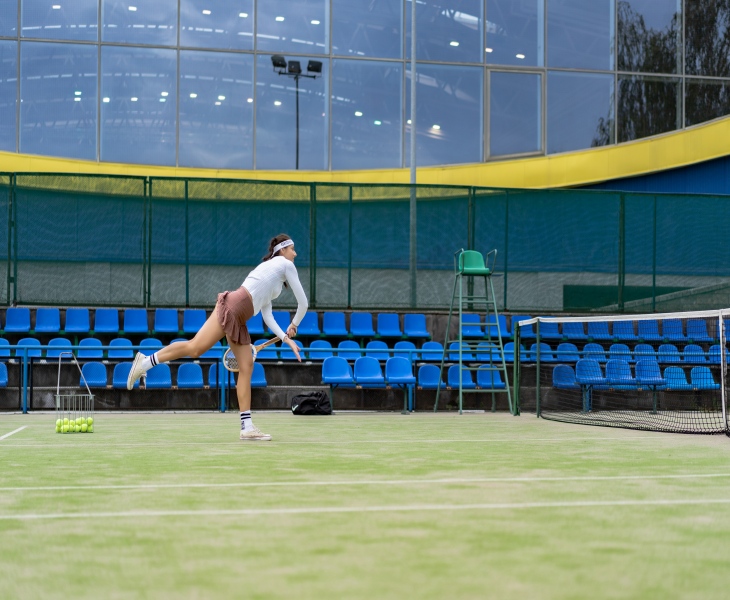
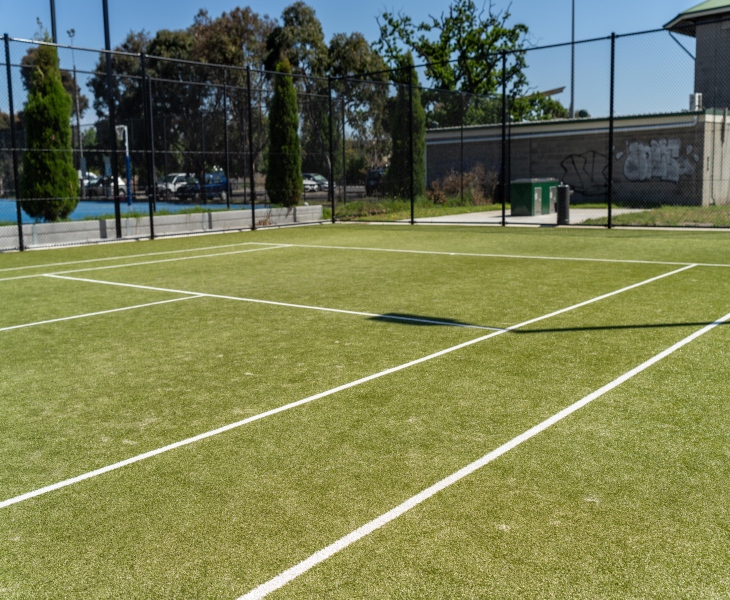
Why Tennis Turf Beats Hard Courts and Clay – A Smarter Choice for Clubs and Schools
Hard Courts and Clay Come with Hidden Costs
Hard courts wear out joints. Clay courts need daily watering and rolling. Natural grass demands expensive upkeep. For facility owners, each traditional surface comes with its own set of problems.
What Tennis Turf Does Better
Our tennis artificial grass absorbs impact better than hard courts, reducing joint fatigue during long matches. Unlike clay, our perforated backing drains water quickly, so courts stay playable after rain. Consistent pile height across the entire court ensures predictable bounce and uniform traction. No dead spots. No ruts.
Built for Wholesalers Who Need Reliable Specs
For wholesalers, this means a surface that meets club, school, and resort project requirements without the maintenance headaches of traditional courts. We offer factory-direct pricing and custom specs—pile height, density, Dtex, and sand infill guidelines. Samples ready in 3 days. Production in 15-20 working days.
Ask us for tennis turf samples and spec sheets for your next tender.
Tennis Turf
Sunithgrass tennis turf is engineered for two things: player performance and facility profitability. We build every roll to reduce joint impact without sacrificing ball speed, and we design it to drain fast, hold up under sun, and keep maintenance costs low year after year.
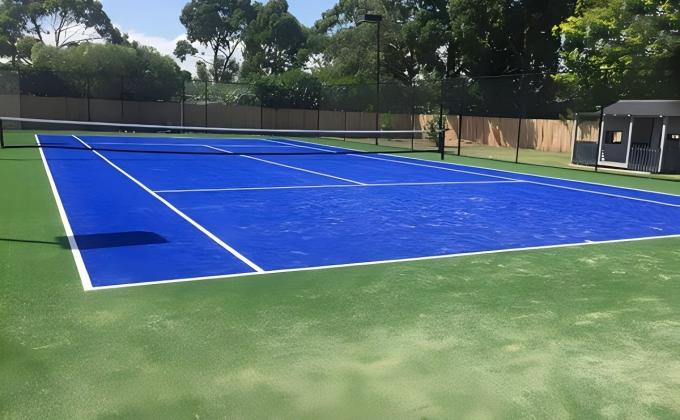
What Maintenance Actually Costs You
Natural grass needs mowing, watering, and weed control. Clay courts require daily rolling and take hours to dry after rain. Hard courts crack over time and need expensive resurfacing. But the real cost is not just the labor or materials. It is the hours your courts sit empty while you pay for upkeep.
The Business Case for Low-Maintenance Turf
For procurement managers and facility operators, a court that needs less work means more paying hours. Our tennis artificial grass drains fast and stays playable after rain. No watering. No rolling. No crack repairs. Just a surface that is ready when your customers are.
Built to Hold Up, Designed to Pay Off
We use UV-stabilized polymers that resist sun damage and temperature swings. The perforated backing drains water in minutes, not hours. Fewer weather cancellations. Lower annual maintenance bills. A court that stays productive year-round.
Need to compare maintenance costs between turf and traditional surfaces? Ask us for our cost comparison sheet and spec guide.
What Maintenance Actually Costs You
Natural grass needs mowing, watering, and weed control. Clay courts require daily rolling and take hours to dry after rain. Hard courts crack over time and need expensive resurfacing. But the real cost is not just the labor or materials. It is the hours your courts sit empty while you pay for upkeep.
The Business Case for Low-Maintenance Turf
For procurement managers and facility operators, a court that needs less work means more paying hours. Our tennis artificial grass drains fast and stays playable after rain. No watering. No rolling. No crack repairs. Just a surface that is ready when your customers are.
Built to Hold Up, Designed to Pay Off
We use UV-stabilized polymers that resist sun damage and temperature swings. The perforated backing drains water in minutes, not hours. Fewer weather cancellations. Lower annual maintenance bills. A court that stays productive year-round.
Need to compare maintenance costs between turf and traditional surfaces? Ask us for our cost comparison sheet and spec guide.
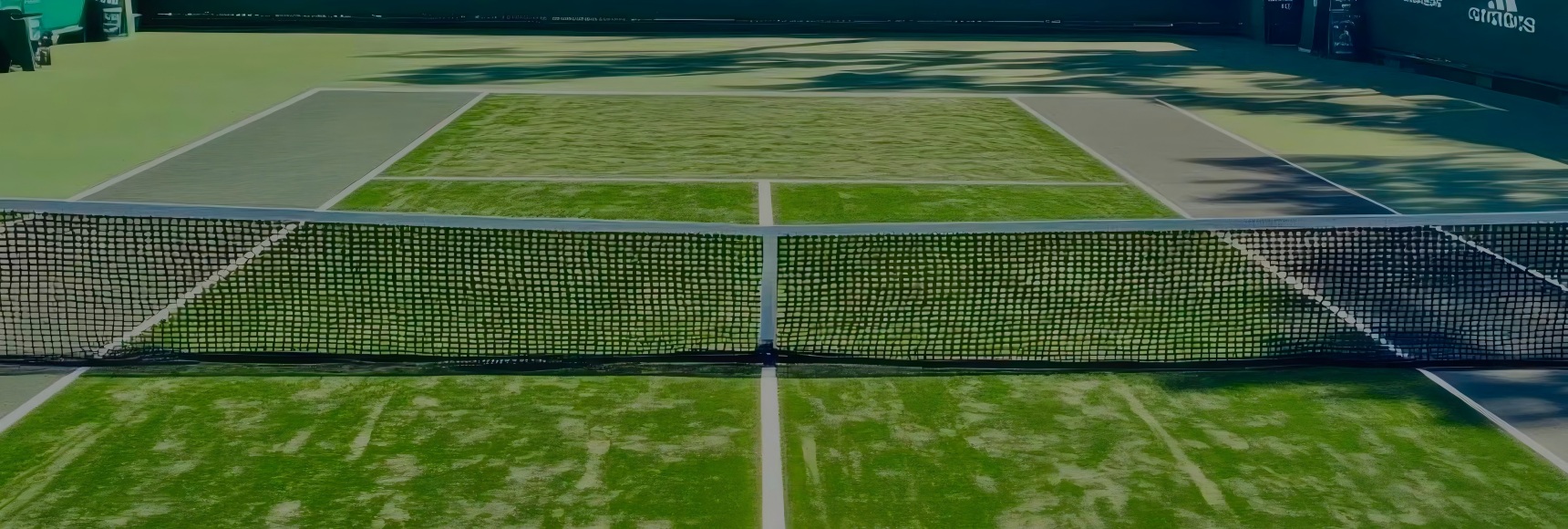
Hard courts transfer impact directly to players’ joints. Clay courts need constant upkeep. Tennis artificial grass offers better shock absorption than hard courts and requires far less maintenance than clay or natural grass. Players experience less fatigue, and facility owners spend less time and money on upkeep.
Professional tennis court turf typically uses a 10-15mm pile height with high-density construction – up to 66,000 tufts per square meter. This combination delivers consistent ball bounce and predictable play. Lower pile height means faster ball speed; higher density means better durability under heavy use.
Yes. Silica sand infill keeps the fibers standing upright, adds weight to the surface, and helps control ball speed. More sand slows the game down; less sand speeds it up. Our tennis artificial grass is designed with the right pile structure to retain sand evenly across the court.
Typical lifespan for tennis turf is 8-12 years with proper installation and maintenance. UV-stabilized fibers resist fading, and high-density construction handles heavy foot traffic without premature wear. For clubs and schools, this means fewer replacements and lower long-term costs.
Yes. We support full OEM customization – pile height, density, color, and backing. Blue turf for glare reduction. Specific pile height for controlled ball speed. Any spec you need. Samples ready in 3 days. Production in 15-20 working days.
Yes. Free samples of our tennis artificial grass are available. Standard samples ship the same day. Custom samples matching your exact specifications – pile height, color, density – are produced within 3 days. Shipping cost is on your side but deducted from your first order.
Our tennis court turf is designed to meet ITF (International Tennis Federation) performance standards. We can provide third-party test reports covering ball bounce, slide resistance, and drainage capacity to support your project tender requirements.
We offer a warranty covering UV resistance, fiber wear, and backing integrity. Typical coverage is 5-8 years, with options to adjust based on your project budget and usage requirements. Full warranty terms available on request.