
Your Reliable Golf Hitting Mat Manufacturer in China
Product Name: Commercial Golf Hitting Mat
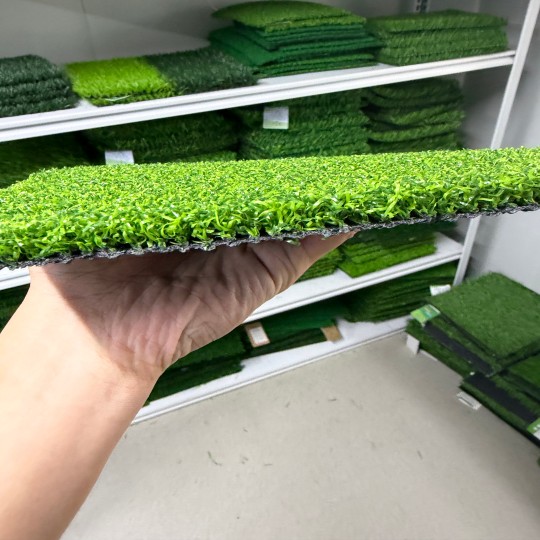
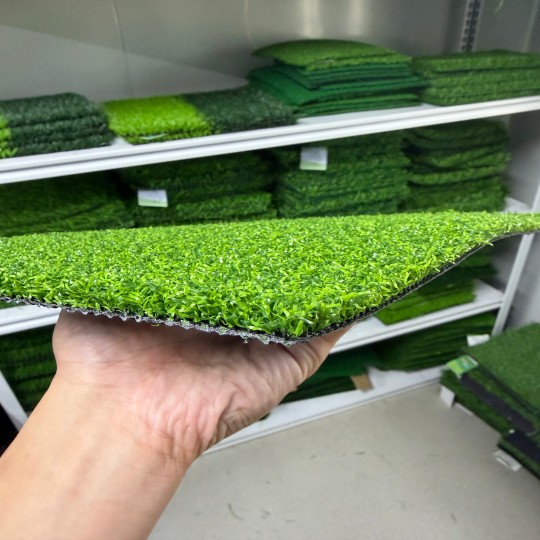
Pile Height: 15mm
Stitch Rate: 30–35 tufts per 10cm
Pile Weight : 5000-9000Dtex (Customizable Dtex)
Yarn: High-strength PE fibers
Color: One standard color, subject to project requirements
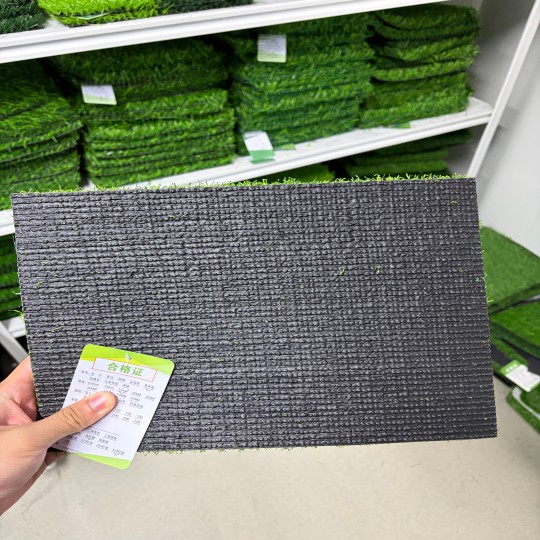
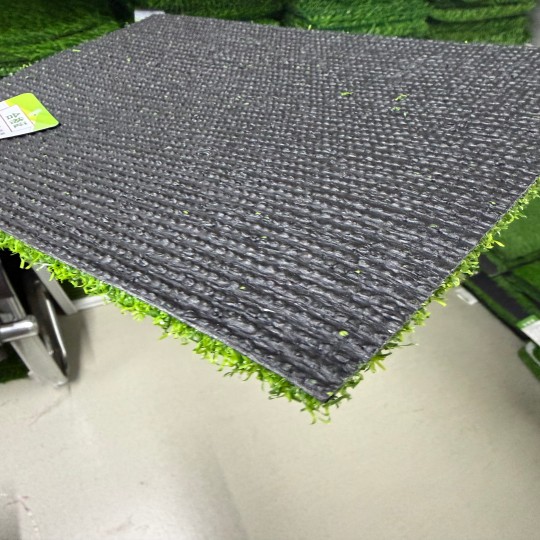
Backing: Double Black SBR backing with grid cloth
Surface Structure: Reinforced golf hitting turf construction
Base Type : Replaceable hitting insert system
Stance Area : Custom sizes available
Customization: Product specifications, dimensions, colors and logos can be discussed
What is Sunithgrass Golf Hitting Mat
Sunithgrass Golf Hitting Mat is a commercial golf turf solution for businesses that build, operate or supply practice facilities. Golf simulator installers need a defined hitting area that fits the bay layout, while driving ranges and academies need repeatable turf supply for training zones and tee-line projects.
Sunithgrass uses high-strength PE fibers and reinforced backing in its golf hitting turf, with factory-controlled production from fiber extrusion and tufting to final quality checks. The specification can be discussed around project dimensions, surface requirements, colors and branding. For golf simulator turf projects, distributors and contractors can review samples before confirming a bulk order. The product can also sit within a wider golf artificial grass range that includes golf putting turf and other golf applications. Share the facility type, quantity and layout to start a specification review.
Why Choose Sunithgrass Golf Hitting Mat
Golf hitting mat projects require more than a green surface. Buyers need a product that matches the facility layout, holds up under repeated ball strikes, and ships on a reliable schedule. Here is what we build into every golf hitting mat.

Our golf hitting mat uses high-strength PE fibers selected for repeated ball-striking areas. The surface holds up under commercial training use without flattening or fiber breakage.

Double-layer black SBR with grid cloth provides a stable backing structure. It holds fibers in place under repeated impact and prevents premature wear in simulator bays and academy training zones.

Driving ranges, golf academies, simulator projects, and private training bays all have different requirements. We adjust pile height, density, and backing based on your facility type and player volume. One standard spec does not fit every project.

Golf simulator builders and contractors often work with different bay dimensions and installation plans. Sunithgrass supports discussions around custom product specifications and dimensions, helping buyers submit the target layout, quantity and application details before the production plan is confirmed.

Simulator projects require more than one sample. We coordinate the number of bays, target dimensions, colors, and branding before moving from sample review to bulk production. One supplier covers the full project.

We control production from raw PE and PP pellets to fiber extrusion, tufting, backing, and final inspection. This gives distributors a clear supply route for specification review and repeat orders.

We produce custom logos and patterns for branded training areas, simulator businesses, and private-label lines. Submit your artwork, dimensions, and color references. We will confirm the workable spec before sampling.

Samples help buyers compare color, surface feel, pile height, and backing before confirming a golf hitting mat order. We provide sample support and coordinate bulk production around the approved spec and delivery schedule. Samples ship within 24 hours. Bulk orders take 15 to 20 days.
Golf Hitting Mat for Commercial Projects – Spec It to the Facility, Not the Shelf
Commercial Projects Need a Mat That Fits the Floor Plan
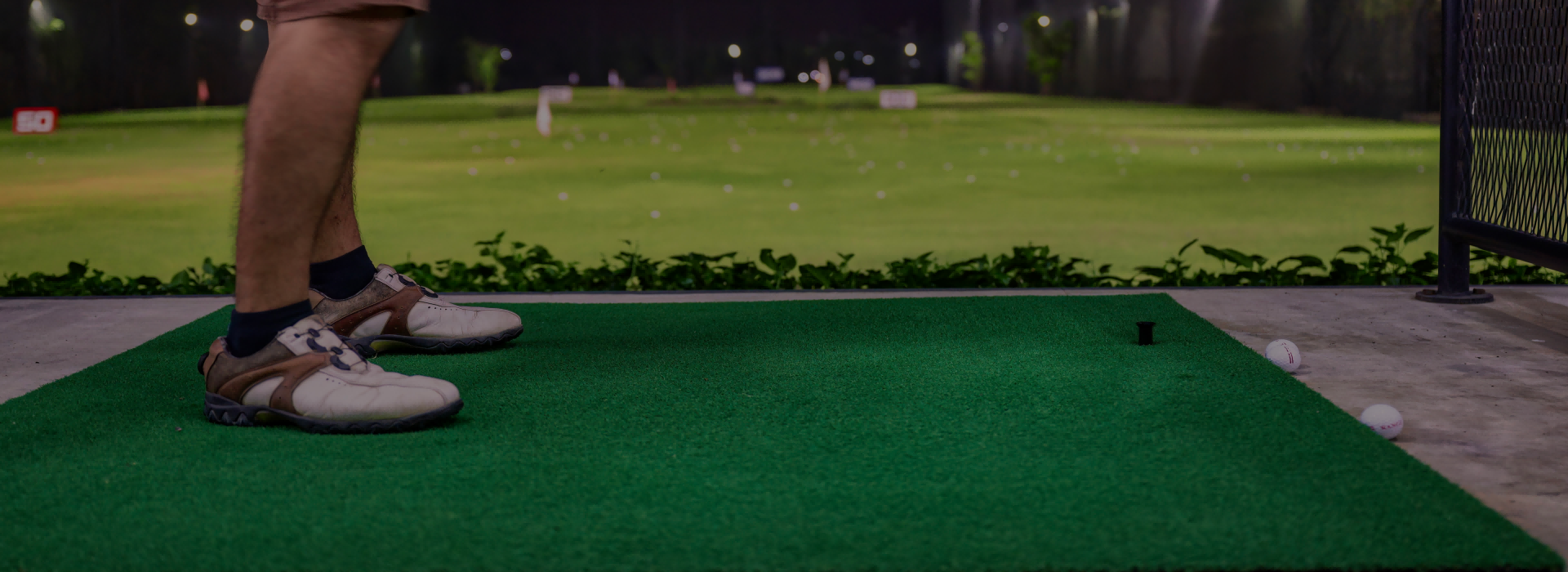
A commercial golf hitting mat may be used in a simulator bay, driving range, academy or hotel training area. Each setting has different dimensions, usage patterns and installation requirements. Simulator builders may need a defined hitting zone for each bay, while academies and ranges may plan several positions. Sunithgrass reviews the required golf turf format, dimensions and quantity around the actual project instead of applying one retail size to every facility.
What to Evaluate Beyond Appearance
Distributors serving several facility types and contractors purchasing for one approved project need a clear product reference. Pile height, stitch rate, fiber material, backing structure, dimensions and branding options should be confirmed together. The current Sunithgrass reference uses a 15mm pile, a 30–35 tufts per 10cm stitch rate, high-strength PE fibers and reinforced black SBR backing with grid cloth. These details give buyers a defined starting point for product comparison.
Supply Coordination from Specification to Order
Sunithgrass manages key production stages from raw plastic pellets and PE or PP fiber extrusion to tufting, backing and quality checks before packing. The company operates a 30,000m² production facility, has 8 tufting lines and exports to more than 40 countries. Send your facility type, required dimensions, estimated quantity and branding details. We will review the available specification and confirm the next step for sampling and quotation.
Golf Hitting Mat Specifications for Commercial Projects
Turf Surface: 15mm Pile and 30–35 Tufts per 10cm
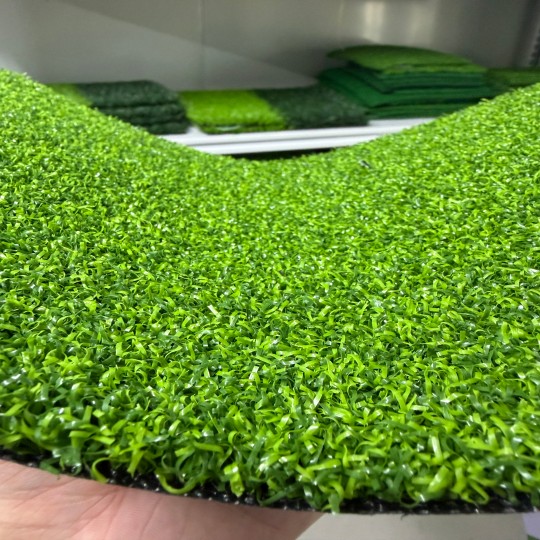
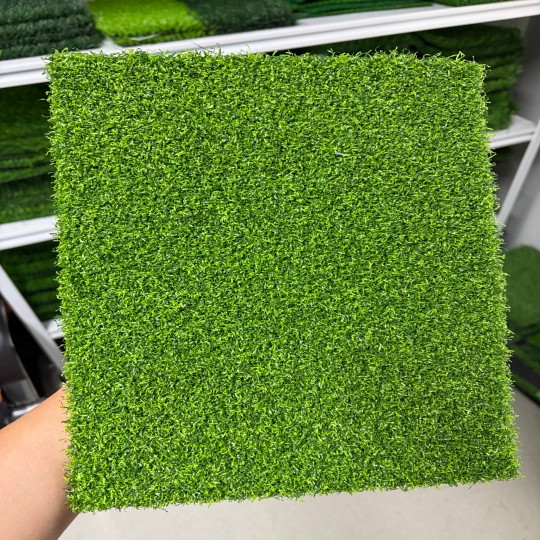
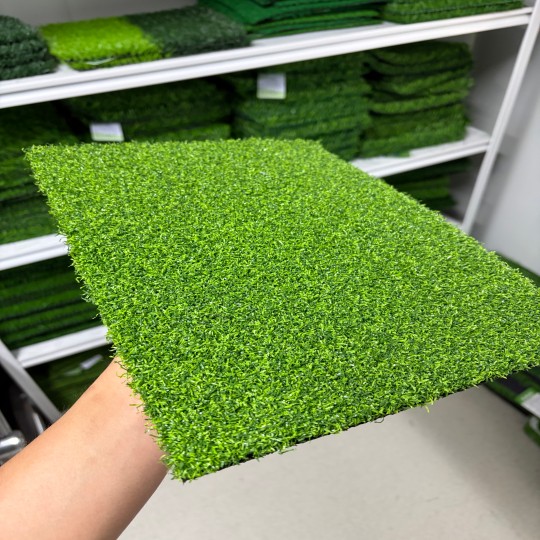
The current Product Detail reference lists a 15mm pile, a 30–35 tufts per 10cm stitch rate and high-strength PE fibers for the Golf Hitting Mat. These details give buyers a clear starting point when comparing golf hitting turf for simulator bays, academies, driving ranges and other training areas. A cut square turf sample can be used to review the pile, color, fiber surface and backing before discussing a larger order.
Backing Structure: Black SBR with Grid Cloth
The listed golf artificial grass backing uses black SBR with grid cloth. Buyers should review this backing together with the turf surface, required dimensions, subfloor and fixing method. These details affect how the product fits into the planned project. If the order requires a complete assembled mat or additional layers, state the requirement separately so the quotation reflects the actual supply scope.
Hitting Turf and Putting Turf Serve Different Uses
Golf hitting mat, golf simulator turf and golf putting turf should not be treated as one interchangeable product. Hitting turf is planned around ball-striking areas, while putting turf serves a different training purpose. Distributors can present the products separately in their catalog and request the relevant available product details for each application. Send your facility type, dimensions and estimated quantity for a product review and cut square turf sample arrangement.
Professional Golf Turf: Premium Quality, Factory-Direct Savings
Once the golf turf application is clear, commercial buyers still need a reliable way to approve the product and plan future supply. The following sections cover the sample-to-order process and the product-line decisions that matter to distributors handling golf hitting mat, golf simulator turf and related golf artificial grass projects.
Send the Actual Project Information
Before a sample or quotation is prepared, buyers should provide the facility type, target dimensions, number of units or bays, estimated quantity, color requirements, Logo files and requested delivery date. Golf simulator installers may also need to share the bay layout and surrounding floor details. This gives the factory team a clearer reference when discussing the suitable golf hitting mat configuration.
Review the Sample Against the Order Plan
A sample should be checked against the points that matter to the project: pile height, color, surface feel, backing, dimensions and any custom branding. For a distributor, the sample also becomes a reference for future customer discussions. Sunithgrass supports sample review before larger production is confirmed, allowing buyers to identify specification differences before the bulk order moves forward.
Keep One Approved Reference
After the sample is accepted, record the agreed product name, dimensions, color, backing, Logo layout and packaging requirements. This reference can help reduce repeated explanations when the buyer places another order. For golf facility contractors and distributors, keeping one approved specification also makes it easier to compare future golf simulator turf or golf artificial grass orders with the original project requirement.
Include the facility type, product format, dimensions, estimated quantity, color, Logo or pattern requirements, destination and target delivery date. For a simulator project, add the number of bays and the proposed layout. These details help the factory prepare a quotation around the actual golf hitting mat requirement.
Yes. Multi-bay requirements can be discussed as one project order. Share the number of bays, target dimensions, pile height and estimated quantity. Sunithgrass can review whether one approved specification should be repeated across the project. The final supply plan depends on the confirmed product format, quantity and production details.
The current reference lists a one-color surface. If your facility or local market requires another green tone or a specific color reference, send the color information with the estimated quantity. Sunithgrass can review whether the requested color and production arrangement are workable before preparing a sample or quotation.
The current SG-1530 reference describes the golf turf surface, high-strength PE fibers and reinforced black SBR backing with grid cloth. If you need a complete assembled golf hitting mat with additional layers, edging or other components, list them separately so the quotation clearly defines the supply scope.
Private-label discussions can be arranged for distributors, simulator companies and golf product brands. Send the brand artwork, packaging requirements, target dimensions, color references and expected quantity. The factory team can review the workable branding method and confirm which details need approval before a private-label golf hitting mat order is released.
Sunithgrass carries out quality checks before packing and manages key production stages from plastic pellets and PE or PP fiber extrusion to tufting and backing. Buyers should agree the reference specification before production and keep the approved sample or product details for comparison during future golf artificial grass orders.
Yes. Buyers can include golf hitting mat, golf simulator turf, golf putting turf and other golf artificial grass requirements in one inquiry. List each application, dimension, quantity and branding request separately. This allows the factory team to distinguish hitting areas, simulator projects and putting zones when preparing the supply proposal.
A trial order can be discussed according to the required dimensions, product format, packaging and destination. This allows a distributor or project contractor to review the supply arrangement before planning regular orders. Send the application, quantity and delivery requirements so Sunithgrass can confirm the workable order conditions.