
Your Leading Infill Turf Manufacturer in China
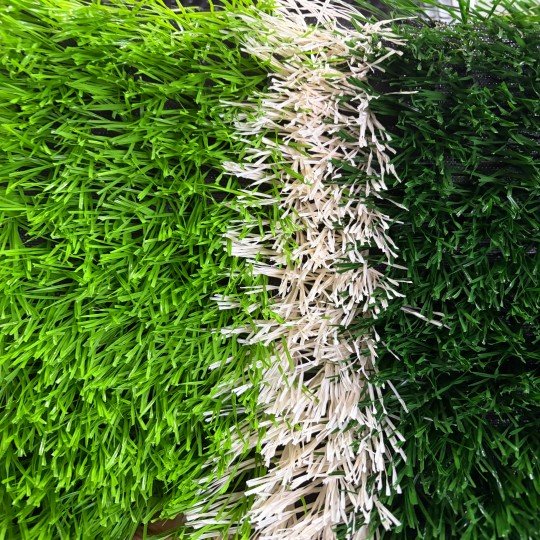
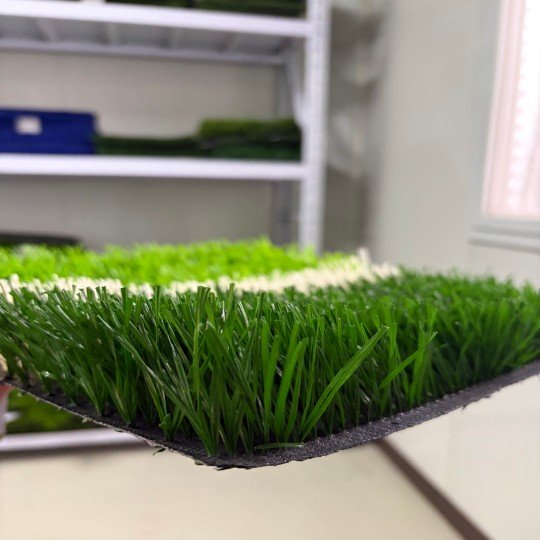
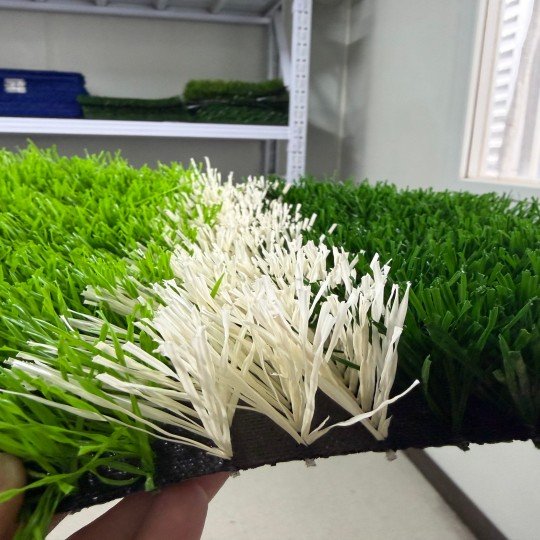
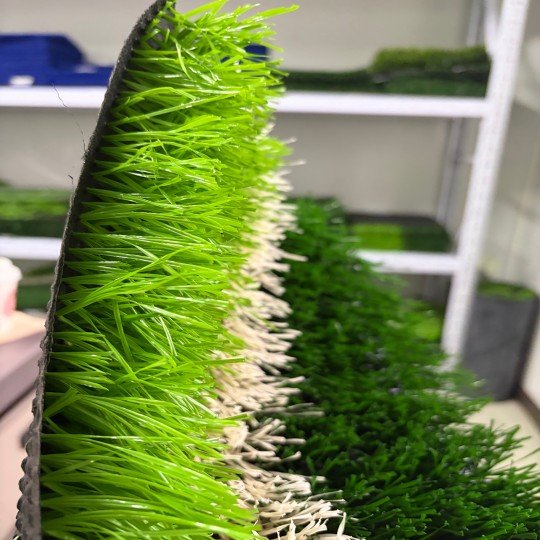
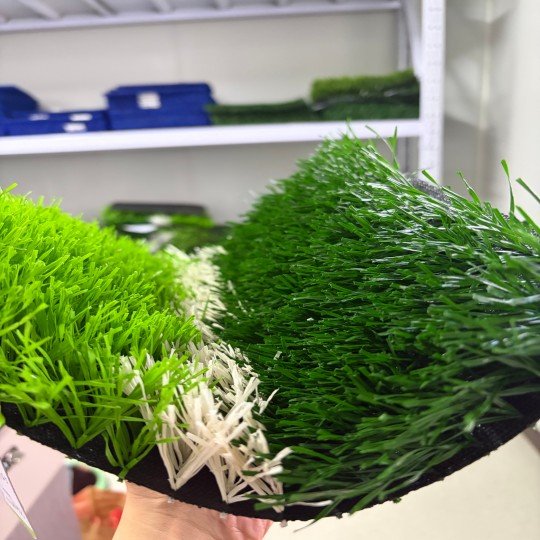
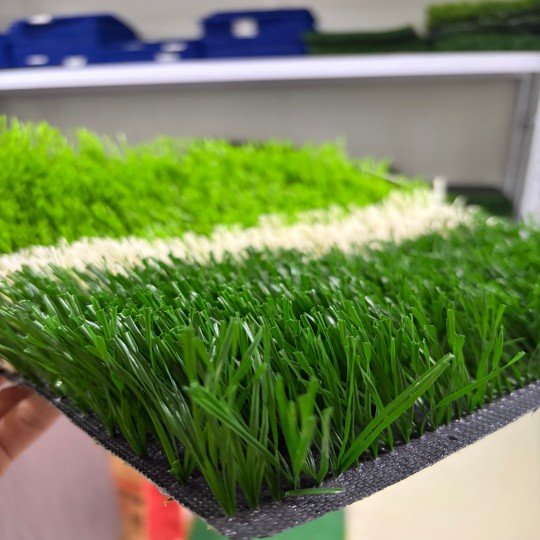
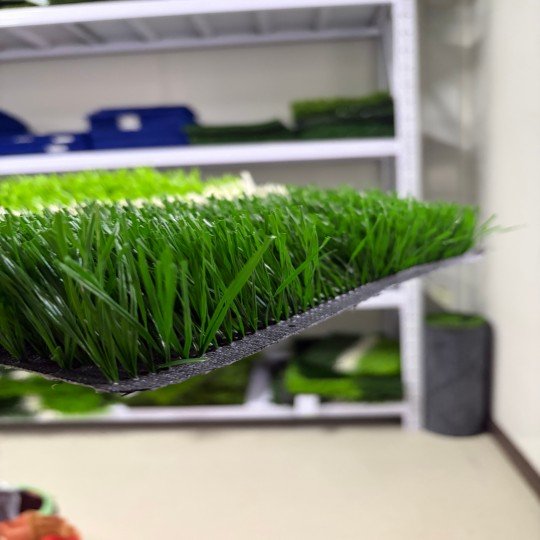
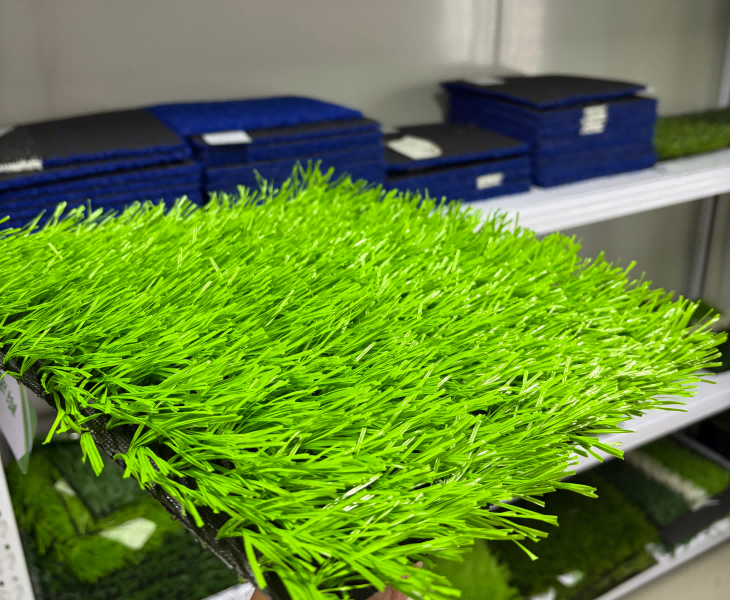
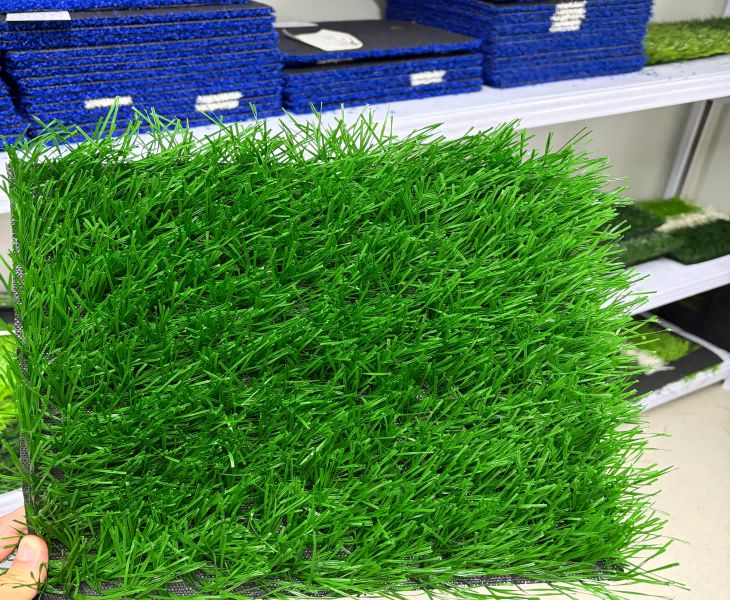
Name : High Quality Infill Turf
Pile Height : 40-50mm (customizable)
Stitch Rate : 16-20 tufts/10cm (ultra-dense)
Pile Weight: 6000-10000 Dtex (Heavy-duty)
Yarn Shape: M-shaped-soft&springy
Color:3 blended tones-natural look
Backing : Double-layer black SBR glue
What is Sunithgrass Infill Turf?
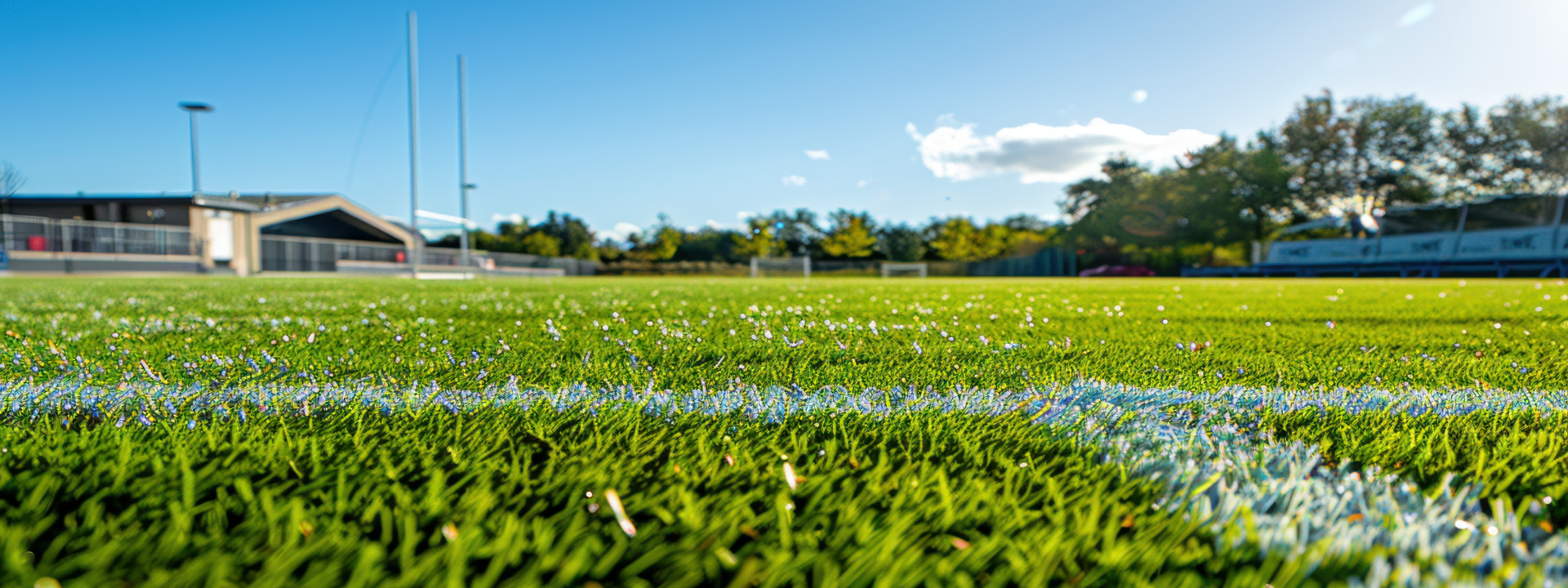
Infill turf uses sand and performance granules between the fibers to keep blades upright, absorb impact, and provide a stable playing surface. It is the standard choice for football, rugby, and other high-contact sports.
We extrude our own yarn from PE and PP pellets in our own facility, giving us full control over quality and cost. Our Cobble tufting machines and strong PU backing lock fibers in place for long-term durability. Wholesalers get consistent infill turf specs from sample to bulk container, with factory-direct pricing and fast sampling.
Why Choose Sunithgrass Infill Turf
Our infill turf is built for high-impact sports. Sand and rubber infill systems deliver stability, shock absorption, and ball response for any field. Fully customizable to your specs.

Football, rugby, and multi-sport fields need longer fibers for cushioning and stability. Our infill turf uses 40-60mm pile height, the industry standard for professional and amateur sports fields. Taller fibers mean better shock absorption and safer play.

Infill migration is a common problem on standard turf. Our sand infill turf uses high-density tufting that holds sand and rubber granules securely in place. Less migration means fewer top-ups and a more consistent playing surface.

We design our rubber infill turf systems with a sand base layer for ballast and a performance granulate top layer for cushioning. This combination gives players the right balance of traction, shock absorption, and ball response.

Our infill turf combines S-shaped monofilament fibers for durability and split fibrillated yarns for infill retention. The result: better ball roll, longer surface life, and less infill loss over time.

We support sand infill turf, rubber infill turf, and organic infill options. Silica sand for residential and landscape projects. SBR and EPDM rubber for high-impact sports fields. Organic options for eco-conscious buyers. You choose what fits your budget and application.

Sun exposure fades cheap turf and makes fibers brittle. Our infill artificial grass uses UV stabilizers blended into the plastic before extrusion, not sprayed on top. The protection runs through every fiber, so the turf stays strong and the color stays consistent, even under intense sunlight. Fewer complaints about faded fields.

Infill systems can trap water if the backing is not designed properly. Our infill turf uses pre-punched drainage holes that keep water moving through. The field drains fast after rain. Training sessions stay on schedule.

Every project has different requirements. We support full OEM customization on infill artificial grass – pile height (40-60mm), density, color, and backing type. Samples ready in 3 days. Production in 15-20 working days. For wholesalers, this means you can meet any project spec without switching suppliers.
Infill Turf – The Industry Standard for Competitive Sports
Why Professional and Community Fields Choose Infill
Infill turf remains the preferred choice for professional and community sports fields. Sand and rubber granules provide the weight, stability, and shock absorption that competitive play demands. Non-infill surfaces can be firmer and less forgiving, increasing injury risk.
The global artificial turf market is projected to grow from USD 7.47 billion in 2025 to over USD 12.89 billion by 2032, with the infill turf segment continuing to expand. Schools, clubs, and municipalities are investing in new fields and replacements. The demand is steady and predictable.
How Sunithgrass Meets the Demand
We manufacture sand infill turf and rubber infill turf systems that match professional specifications. Pile height options from 40mm to 60mm. Dual-structure yarn for durability and infill retention. Double-layer PU backing that prevents fiber pull-out. We supply wholesalers and contractors who need reliable infill artificial grass that performs season after season.
We can send you our infill turf specification sheet and sample plan for your next project. Ask us for details.
Infill Turf – The Right Infill Makes the Difference
Sand Infill – Stable, Cost-Effective, and Low Maintenance
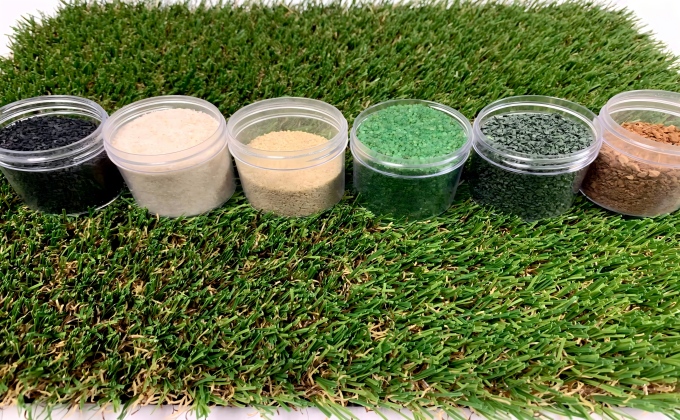
Not all infill turf is the same. The choice of infill material affects playability, safety, maintenance, and even surface temperature. Silica sand is the most cost-effective option for residential and multi-use fields. It adds weight to keep the turf stable and supports fibers to stay upright. Sand infill turf is also easier to maintain than rubber systems over time.
Rubber Infill – Shock Absorption for High-Impact Sports
Rubber infill systems, using SBR or EPDM, provide superior shock absorption for high-impact sports like football and rugby. A layered sand-rubber system delivers the optimal balance of stability and cushioning. For competitive fields where player safety is a priority, rubber infill turf is the standard choice.
Organic Infills – An Eco-Friendly Alternative
Cork, coconut, and olive core infills are gaining traction as sustainable options. They offer natural shock absorption and stay cooler in hot climates. While not yet the industry standard, organic infills are a practical choice for eco-conscious projects.
Sunithgrass offers sand infill turf, rubber infill turf, and organic options. We help wholesalers match the right infill artificial grass system to each project based on budget, usage, and climate.
We can send you an infill comparison sheet and recommend the right system for your next project. Ask us for details.
Infill Turf
Infill turf remains the standard choice for competitive sports fields. Player safety, field stability, and long-term performance all depend on what goes underneath the surface. We help you navigate the trade-offs between maintenance and environmental concerns so you can choose the right system for your project.
The Ongoing Care That Keeps Fields Playable
Maintenance is part of any sports field, and infill turf is no exception. Facility owners should know what ongoing care involves. Regular brushing keeps fibers upright and infill evenly distributed. Sand infill fields typically need brushing twice a week and a deeper clean once a year. Without this, infill compacts, drainage suffers, and the playing surface degrades faster.
Still Far Lower Than Natural Grass Maintenance
The maintenance costs for infill artificial grass are significantly lower than natural grass. No watering. No mowing. No fertilizing. And with coated sand systems, cold-weather maintenance stays stable and predictable. For wholesalers, this means your clients have ongoing needs: infill top-ups, grooming equipment, and maintenance supplies. Sunithgrass infill turf systems are designed for easy maintenance, with durable fibers that hold infill in place and reduce top-up frequency.
We can send you our infill turf care guide and maintenance schedule template for your next project. Ask us for details.
The Concerns Around Recycled Rubber Infill
Infill turf has faced scrutiny over environmental and health concerns. The main issue is recycled tire rubber used as infill in some systems. Under high temperatures, low-quality rubber granules may release odors and degrade faster. Microplastic contamination and impacts on soil and groundwater are also documented concerns. For wholesalers, understanding these concerns is key to addressing client questions.
The Market Is Moving Toward Cleaner Options
The industry is responding. Organic infills like cork, olive cores, and coconut are becoming more available. Coated sand systems offer a stable, low-maintenance alternative to rubber. TPE and EPDM options provide shock absorption without recycled tire content. For wholesalers, this means more choices to offer clients who care about environmental compliance.
What Sunithgrass Offers
We manufacture sand infill turf and rubber infill turf systems using virgin PE and PP materials. For buyers who prefer rubber-free options, we also supply organic infill alternatives. We provide material source documentation for our raw polymers to confirm what goes into every roll.
We can send you our infill material specification sheet and options comparison for your next project. Ask us for details.
Sand infill adds weight and stability, keeps fibers upright, and works well for multi-use fields. Rubber infill provides better shock absorption, making it the preferred option for high-impact sports like football and rugby. The choice depends on the sport and usage level.
FIFA recommends a minimum of 6 lbs per square foot for filled systems. This ensures adequate fiber support and player safety. Underfilling causes grass to lay flat and increases injury risk. Overfilling makes the surface too firm and slows ball speed.
Some rubber infill from recycled tires can release a “rubber crumb” smell, especially under hot sun. We use high-quality SBR and EPDM materials that reduce odor. For buyers concerned about smell or environmental impact, we also offer organic and sand alternatives.
Sand infill tends to absorb and retain more heat than rubber or organic options. For hot climates, we recommend using lighter-colored sand or organic infills like cork, which stay cooler under direct sun.
FIFA certification requires the entire system – turf, infill, shock pad, and installation – to pass 26 performance tests. Our infill turf is designed to meet FIFA performance specifications. For school and community fields, we recommend consulting the project spec to confirm required standards.
Yes. Infill turf needs brushing to keep fibers upright and infill evenly distributed. Sand fields typically need brushing twice a week and deeper maintenance once a year. Rubber fields need similar care. Without maintenance, infill compacts and the playing surface degrades.
Yes. We offer full OEM customization on infill turf – pile height, density, color, backing, and infill type. Standard samples ship same day. Custom samples are ready within 3 days. Production runs in 15-20 working days. Trial orders accepted for first-time buyers.
Warranty covers UV resistance, fiber wear, and backing integrity – typically 5-8 years. If a defect traces to our manufacturing, we replace or compensate. We inspect every roll before packing. If something goes wrong, we resolve it. That is how we work.